
How to Judge Supplement Quality Beyond the Front Label
Learn how to assess supplement quality using ingredient forms, serving sizes, testing records, allergen disclosures, and manufacturing standards.
Start With the Supplement Facts Panel
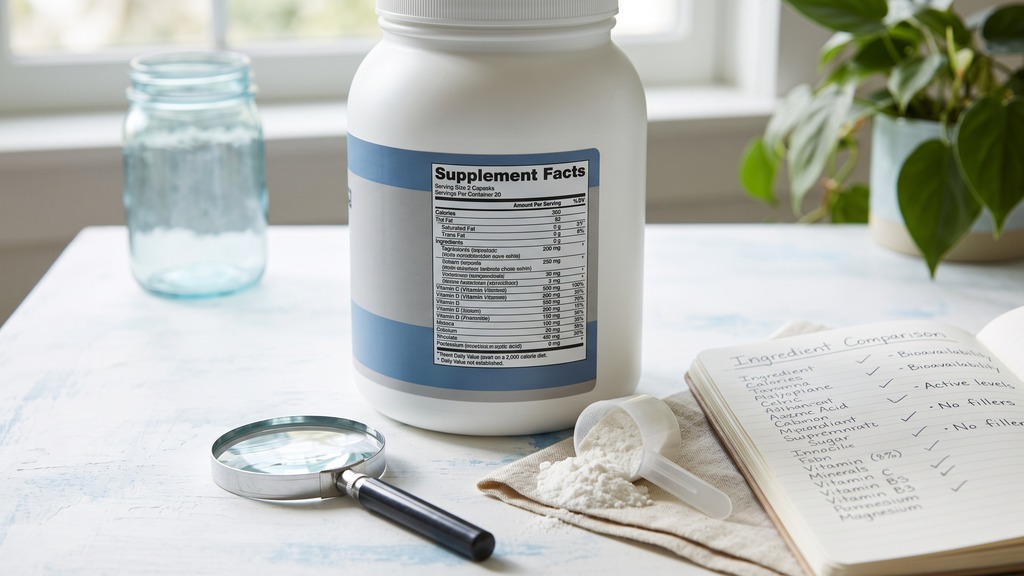
The front label is designed to attract attention, not provide the complete quality story. For meaningful label literacy, begin with the Supplement Facts panel and identify the exact amount of each active ingredient per serving. Compare that amount with the serving size: a product may appear inexpensive until you discover that its advertised “30 servings” require several scoops or capsules daily. Also check whether a blend lists individual quantities. Proprietary blends can make comparison difficult because you may not know how much of each ingredient you are receiving.
Ingredient form matters, too. Different forms may vary in stability, absorption, tolerability, or research support. Look for specific names rather than broad terms such as “amino acid complex” or “advanced recovery matrix.” For protein, compare grams of protein per serving and the source, such as whey isolate, concentrate, casein, soy, or pea. For creatine, plain creatine monohydrate is a well-studied reference point; for collagen, identify the collagen type and whether the product supplies a clearly stated peptide amount. These details support better comparisons than bold front-label claims.
Look for Evidence, Not Impressive-Sounding Seals

Third-party testing can be a useful quality signal when it is specific and verifiable. Look for testing organizations named on the label or linked from the manufacturer’s website, then confirm what the certification covers. Some programs assess identity, purity, contaminants, manufacturing controls, or banned substances; others may focus on only one area. A logo by itself is not proof that every product, batch, or claim has been independently validated. Stronger documentation may include a current certificate, batch-specific certificate of analysis (COA), testing scope, and a way to match the report to the product lot.
Manufacturing standards matter as well. Prefer companies that identify the facility or state that products are made in a facility following current good manufacturing practices (cGMP). However, “made in a cGMP facility” does not automatically prove superior ingredients, accurate dosing, or effectiveness. Be cautious of phrases such as “pharmaceutical grade,” “clinically proven,” “detox,” or “maximum strength” when they are not supported by clear definitions or evidence. A meaningful review asks who tested the product, what was tested, when it was tested, and whether the results apply to the specific item you are buying.
Check Allergens, Dosage Context, and the Whole Product
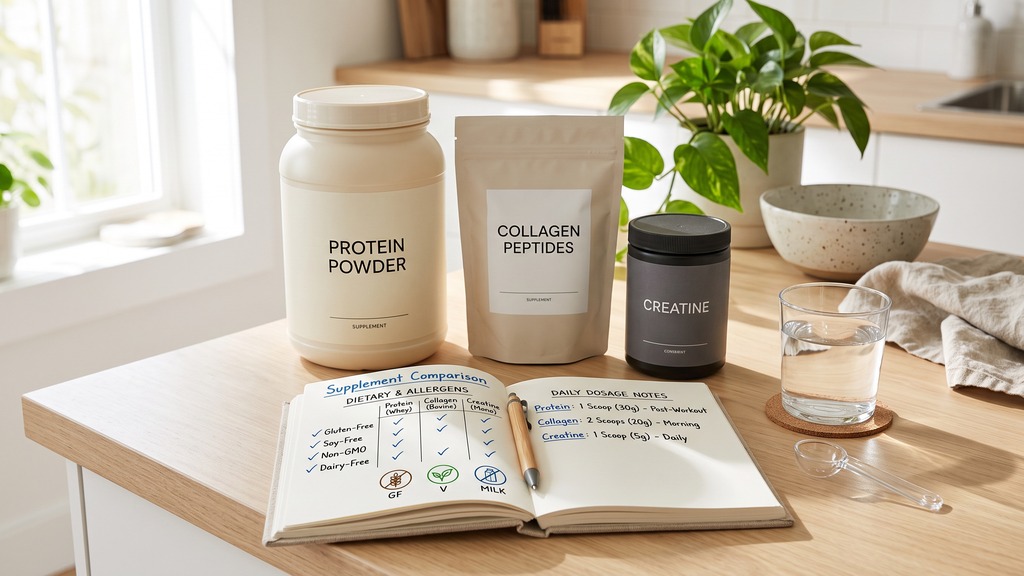
A quality supplement should make potential risks easy to understand. Read allergen disclosures, including statements about milk, soy, wheat, eggs, fish, shellfish, tree nuts, and peanuts, as well as warnings about shared manufacturing equipment. If you follow a vegan, vegetarian, gluten-free, halal, or kosher diet, look for a clear product statement and verify that it applies to the finished product, not merely one ingredient. Review other ingredients too: sweeteners, colorants, fillers, and capsules may affect your preferences or tolerances.
Finally, judge the product in context. A high dose is not automatically better, and “natural” does not guarantee safety. Consider the intended use, total daily intake from all products, medication interactions, and advice from a qualified healthcare professional, particularly during pregnancy or when managing a medical condition. Meaningful supplement quality combines accurate labeling, suitable dosing, accessible testing information, responsible manufacturing, and honest usage guidance. At NourishMetric, comparing these details side by side can make label literacy easier—but consumers should still verify current documentation and choose products that fit their individual needs.
Conclusion: Build Confidence From Verifiable Details
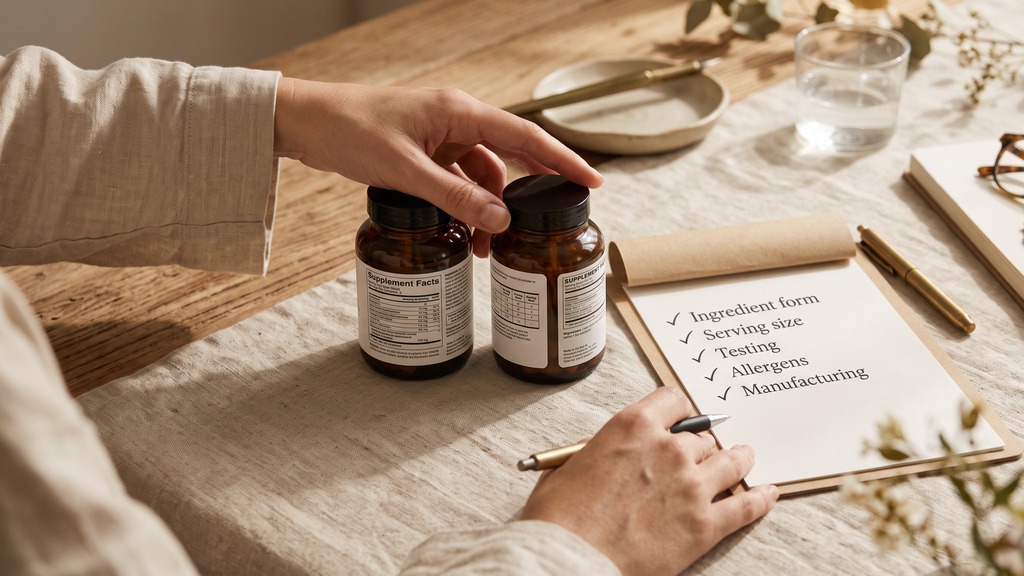
Judging supplement quality does not require trusting the loudest promise or choosing the most expensive product. It requires a repeatable review: confirm the ingredient form, calculate the real daily serving, inspect the complete ingredient list, and look for testing documentation that can be verified. Then check allergen statements, manufacturing information, storage guidance, and any relevant warnings. This process turns a quick purchase into an informed comparison.
Remember that quality signals can create false confidence when they are vague, outdated, or unrelated to the finished product. A polished label, celebrity endorsement, “clean” marketing, or certification-style logo may be less useful than a plain label with precise amounts and accessible batch records. Use reputable sources, ask questions when documentation is missing, and speak with a healthcare professional when supplements may interact with your health or medications. Better label literacy helps you choose products that are transparent, practical, and appropriate for your routine—not merely persuasive at first glance.